The latest updates from the Potomac Interceptor Sewage Spill
/We recap the devastating sewage spill in the Potomac River from the first spill to the latest news
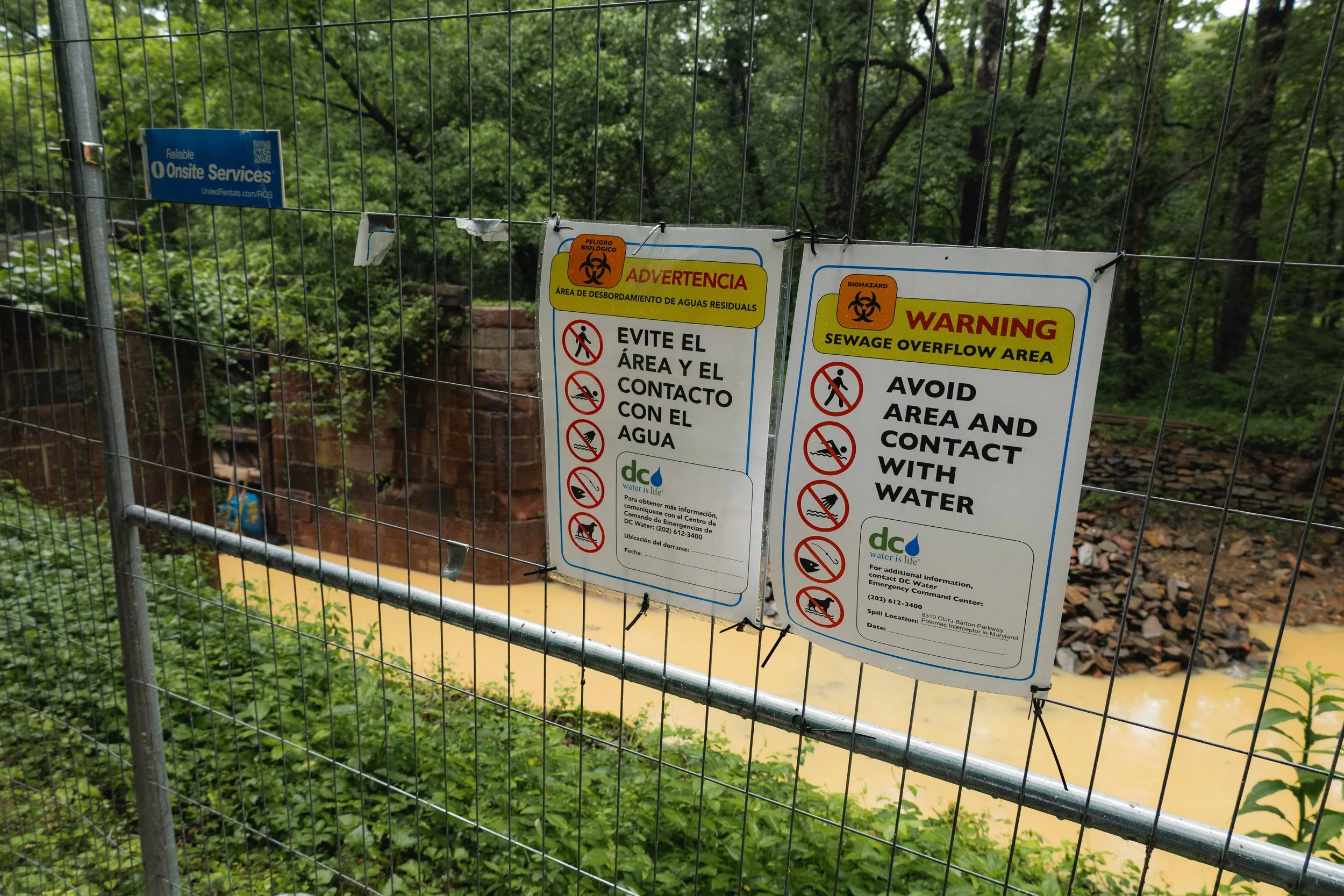
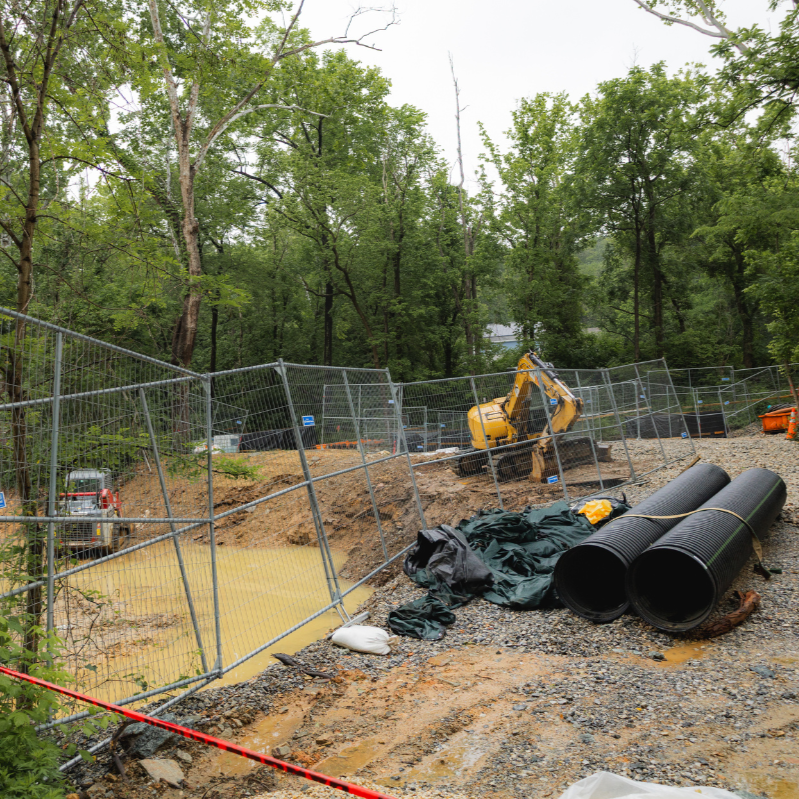
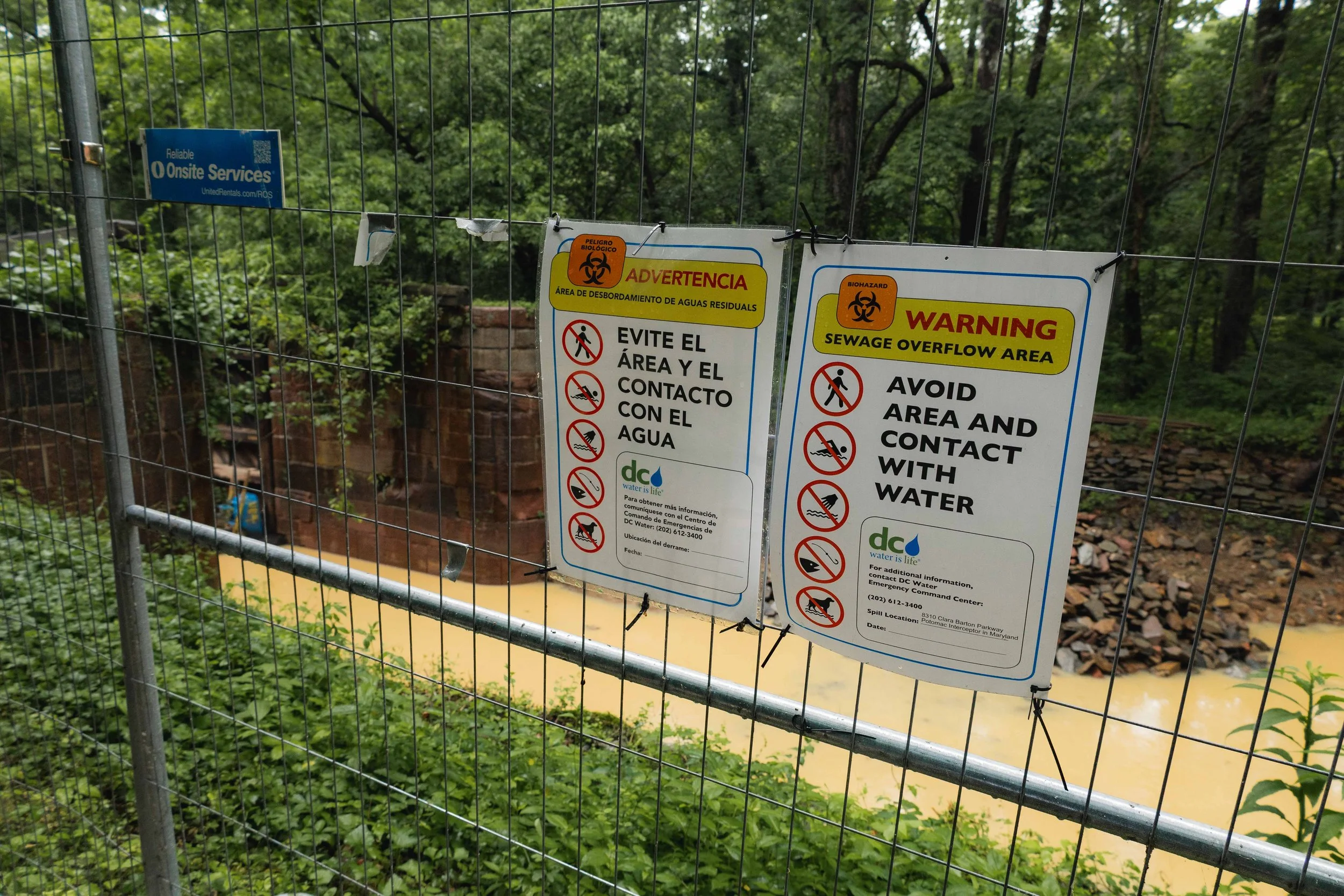
Impacted C&O Canal, taken in late may 2026 by jenn loving
What you need to know
What happened: On January 19, 2026, the Potomac Interceptor sewer pipe burst in Cabin John, Maryland. Over the course of days and weeks, the infrastructure failure contaminated the Potomac River with over 240 million gallons of raw sewage, enough to fill the Tidal Basin.
DC Water engineers and crews battled tough winter conditions to install an emergency bypass system that funneled wastewater through the C&O Canal and back into the system.
A temporary fix to the pipe was completed in March with plans for a permanent fix completed by next fall.
DC Water is actively remediating the area and has worked with the US Army Corps of Engineers, the US EPA, and the Maryland Department of Environment.
Why it matters: The pollution event is considered one of the largest sewage spills in US history and contributed to the Potomac’s designation as the country’s Most Endangered Rivers by American Rivers.
Sewage pollution and dangerous E. coli levels shut down fish harvesting and water recreation for nearly two months.
DC Water has identified as many as 20 other areas of the pipe in need of maintenance
Another break occurs above the water intakes near Great Falls, it could threaten drinking water safety for over 5 million people in the greater Washington, DC area.
What’s happening now? DC Water continues to remediate the impacted shorelines around the spill site and has submitted long-term restoration plans under consideration by the Maryland Department of the Environment. Potomac Conservancy alongside other environmental partners are fighting for strong restoration plans and solutions to ensure this horrific tragedy never happens again. Read the full timeline below >
Fighting for change
From the outset, Potomac Conservancy has been in close contact with the community, DC Water, and leaders to track the pollution’s impact to public health and water quality, and advocate for accountability.
Shortly after the incident, more than 2,100 organizations and residents joined our letter to DC Water demanding transparency, answers, and short- and long-term restoration measures.
We also launched CLEAR Potomac, a group of a dozen environmental and public health groups working together to restore the Potomac River and public trust in our water safety.
We have a long road ahead of us. Help us carry on the fight and support our Potomac River Recovery Fund!
Latest public health advisory announced May 2026
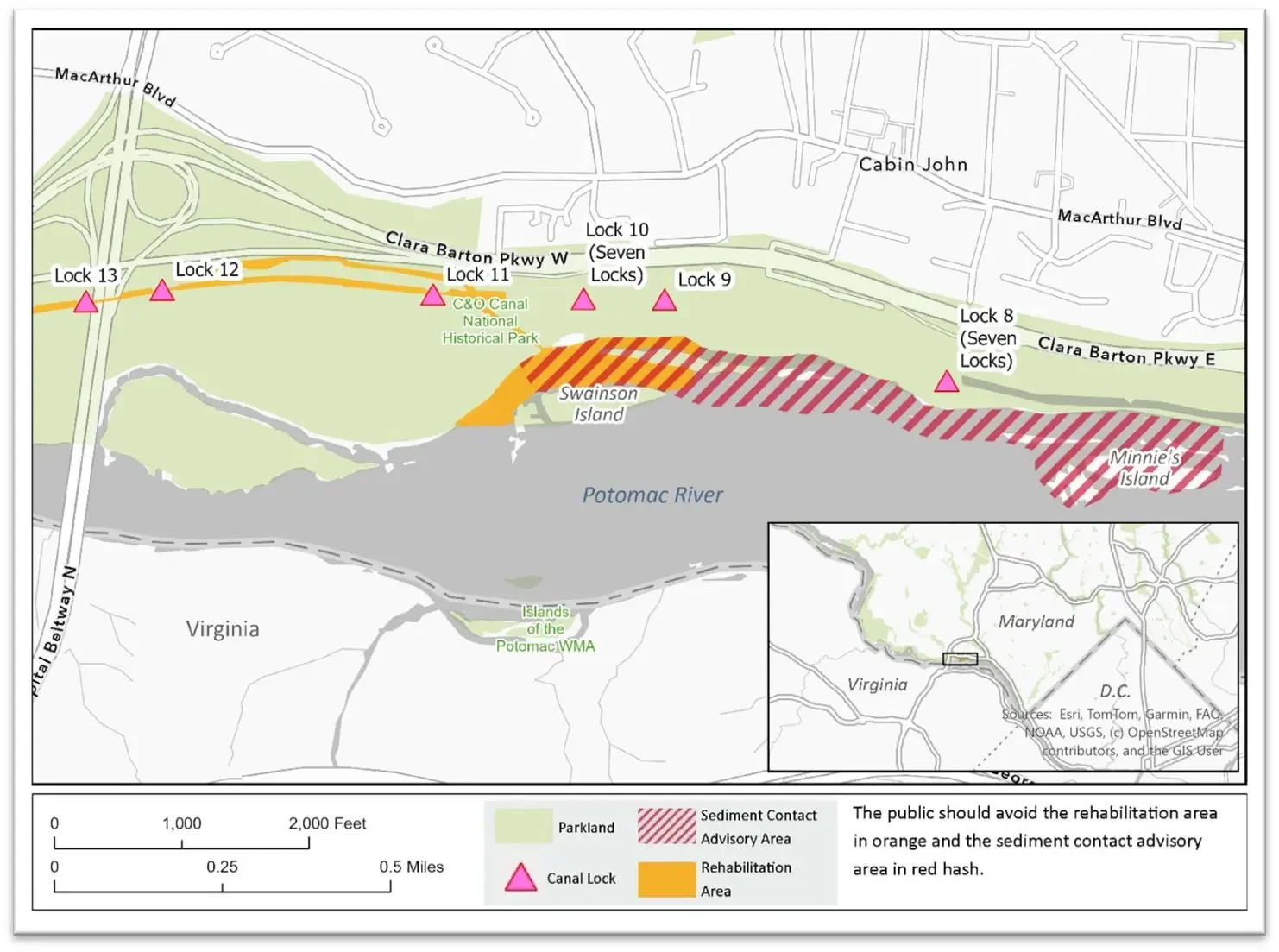
The latest water advisory from the montgomery county department of public health
Timeline
Skim our FAQ page to get answers to common questions
May 2026:
Congress questions those responsible, gets few answers
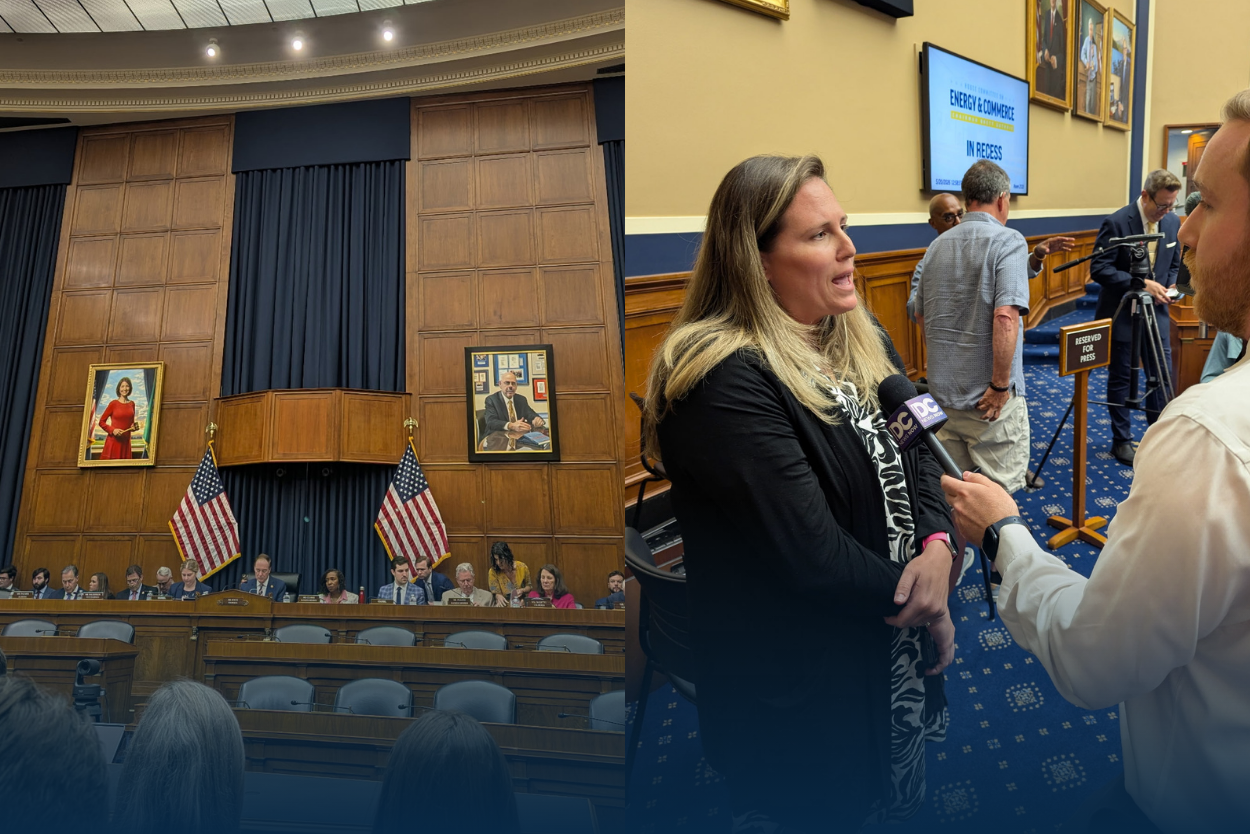
Potomac conservancy leaders attend may 20 congressional hearing on the potomac interceptor collapse
🔵 On May 20, 2026, Potomac Conservancy leaders attended a US House Congressional oversight hearing on the Potomac Interceptor pipe collapse. The Committee questioned officials from the National Park Service, US Army Corps of Engineers, the US Environmental Protection Agency, and DC Water.
We learned at the hearing:
🔵 The National Park Service did not approve maintenance permits over an 8-year window of time. Officials were hesitant to share more details due to pending litigation.
🔵 DC Water still does not know what caused the pipe to collapse; their investigations are ongoing.
🔵The US EPA believes the Potomac has been restored to pre-spill conditions, despite some tests demonstrating high E. coli levels in sediment downstream.
🔵 Existing weaknesses in the pipe pose risks to the Potomac River and the drinking water intakes at Great Falls and Little Falls.
🔵 Following land surveys of the pipe, DC Water identified three new high-priority areas of concern, but did not disclose the locations.
April 2026:
Lawsuits fly while impacted fisheries and businesses await economic relief options
🔵 DC Water crews worked on removing contaminated soil from Locks 11 to 13 in the C&O Canal. Excavation work at Lock 10 to start next. The utility began cutting down trees in the National Park in preparation for long-term repairs to the Potomac Interceptor pipe.
🔵 Testing at several sites downstream of the spill site demonstrate sustained safe water conditions, however, scientists from the University of Maryland warn that we're not fully in the clear from lingering environmental impacts.
🔵 An April 2, 2026 Washington Post investigation uncovered disagreements and repeated design changes between DC Water and the National Park Service that contributed to significant repair delays. Over the course of 8 years, the Park Service did not approve environmental assessments that would permit maintenance on the stretch of the Potomac Interceptor pipe that failed. The parties dispute who is to blame.
🔵 Accusing DC Water of violating the Clean Water Act, the US EPA and US Department of Justice filed a lawsuit against DC Water. The civil complaint seeks financial damages, infrastructure repairs, and mitigation efforts to restore ecosystem health.
🔵The state of Maryland has sued DC Water alleging the utility's unauthorized discharges violated state water pollution laws. The state is demanding DC Water pay for all damages, testing, and cleanup and is asking the court for a penalty of $10,000 per day per violation.
🔵 DC Water published a public statement in response to the lawsuits pointing to a long history of requests to the National Park Service for quicker environmental assessments and approvals for repairs.
🔵 Maryland Gov. Moore requested federal assistance for area watermen as local oyster prices dipped 66% below the five-year average.
🔵 DC Water confirmed over 20 other sections of the system show significant corrosion and risk of failure. There are no long-term backup systems for the region’s drinking water in the event of contamination above the water intakes.
March 2026:
The Potomac Interceptor collapsed and so did public trust
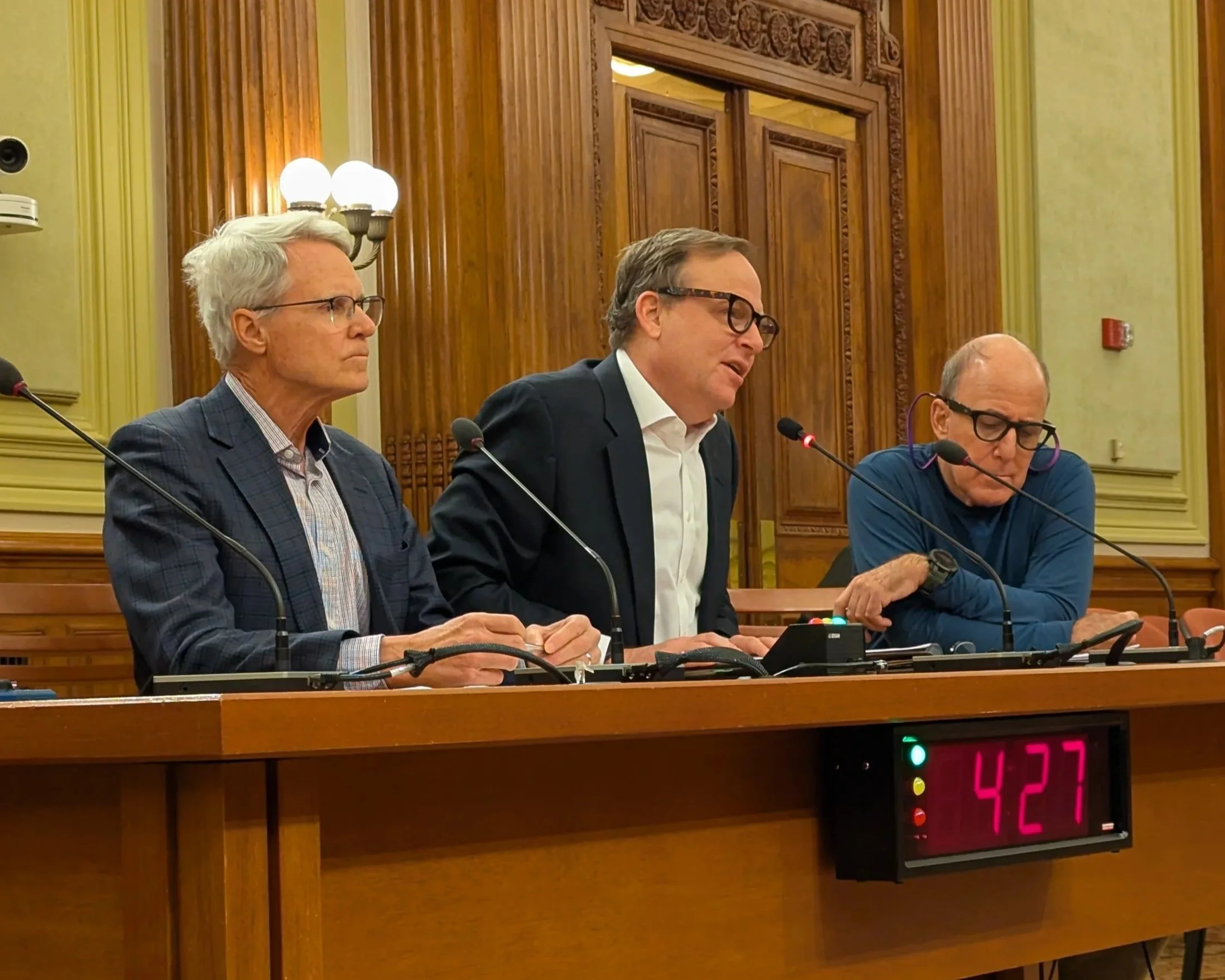
Potomac conservancy president hedrick belin testifies at the mar 2 dc council hearing
🔵 DC Water completed its emergency repairs in mid-March to the Potomac Interceptor pipe, restoring full flow to the system. They also publicly released the inspection records.
🔵 On March 10, the Maryland Department of the Environment announced that its partial shellfish harvesting closure in the Potomac River has been lifted.
🔵 The District, Maryland, and Virginia lifted their public health advisories and recreation bans, with the exception of a 5-mile stretch near the spill site. The District launched a Data Dashboard to consolidate test results from all sources.
🔵 On March 4, Potomac Conservancy published a statement that public trust has collapsed after DC Water failed to respond to our Feb 9 sign-on letter for actions and answers; their deadline was February 27.
🔵 At a Mar 2 DC Council hearing, DC Water CEO David Gadis said the stretch of pipe that collapsed was rated “moderate” for risk and not deemed in urgent need of repair. The cause of the collapse was not stated but complications from large boulder debris above the pipe was cited as a challenge. Potomac Conservancy President Hedrick Belin testified at a Mar 2 DC Council hearing on the matter.
🔵 Potomac Riverkeeper Network reported a contaminated waterway near the spill site, signaling that sewage is leaking from the C&O Canal and is seeping into the Potomac River. This contradicted DC Water who reported no overflows since Feb 8. The US Army Corps of Engineers worked with DC Water to stop the leak.
🔵 DC Water reinforced the damaged section of the pipe using geopolymer to strengthen the pipe.
February 2026:
Sewage overflows stop, but impacts force closures for Potomac’s fisheries and recreation
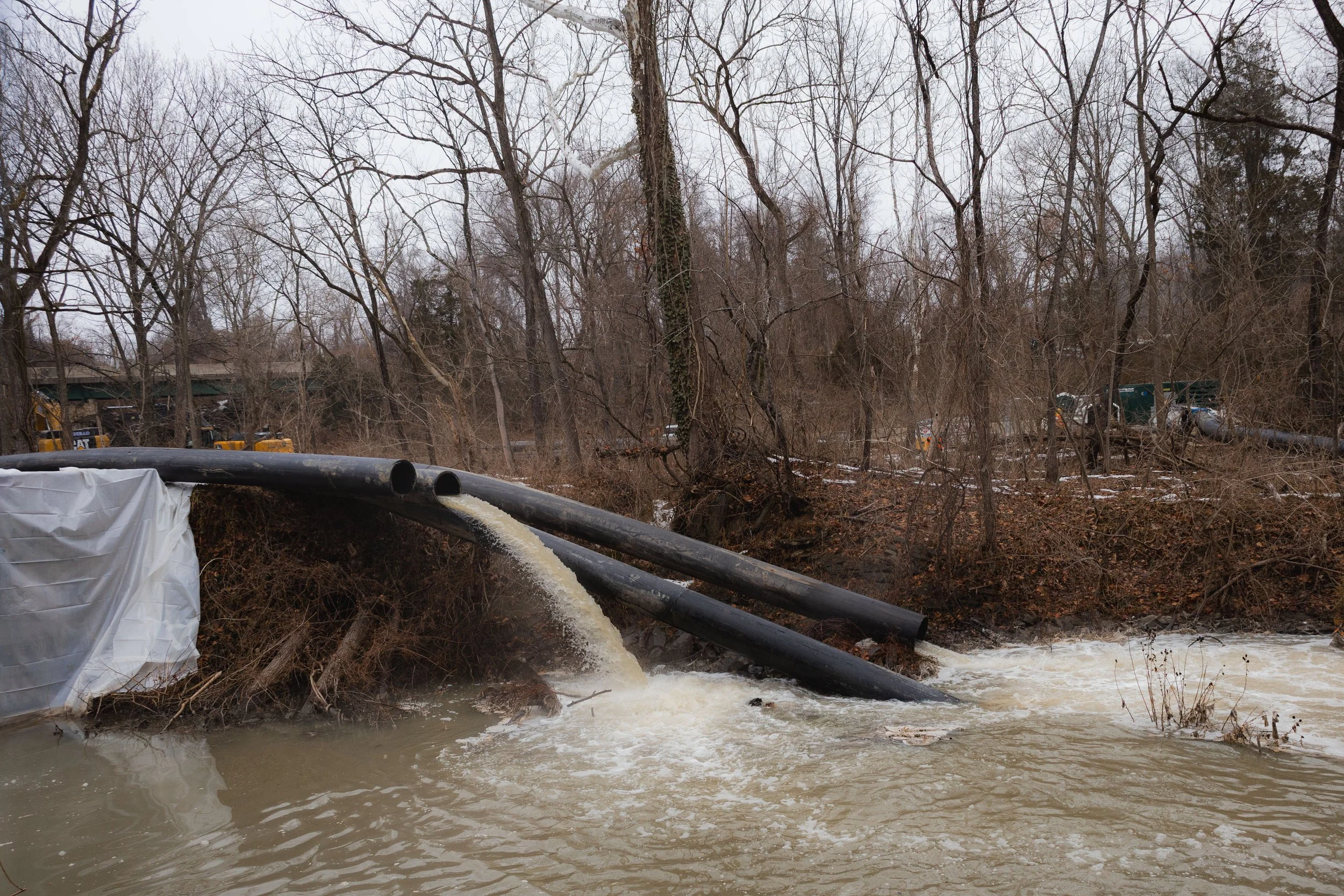
the dc water bypass system in the c&O canal
🔵 The Potomac River sewage spill is deemed one of the largest wastewater spills in the nation’s history
🔵 Initial results from Potomac Riverkeeper Network and University of Maryland researchers found that E. coli levels were 10,000 times over the recreational water quality limit. The groups’ findings confirmed sustained unsafe water conditions over the course of the month with some variability.
🔵 On February 9, Potomac Conservancy submitted our letter, signed by 2,100 concerned community members, to DC Water demanding action, transparency, and accountability.
🔵 Potomac Conservancy began partner coordination to foster information-sharing, identify and implement response needs, and strengthen unified response efforts. United with a dozen groups, we formed the CLEAR Potomac coalition.
🔵 DC Water held its first community meetings on February 25-26 in Washington, DC and Bethesda, MD. Potomac Conservancy attended both of them alongside dozens of concerned residents.
🔵 DC Water began a $10 million remediation project at the site; it did not address impacted areas downstream. DC Water did not previously disclose the plans or permits, and did not consult with local environmental groups.
🔵 President Trump approved a federal assistance request from the state of Maryland on February 20. The US Army Corps of Engineers worked with DC Water to manage runoff that could compromise the bypass system.
January 2026:
The Potomac Interceptor pipe fails and sends sewage into the Potomac
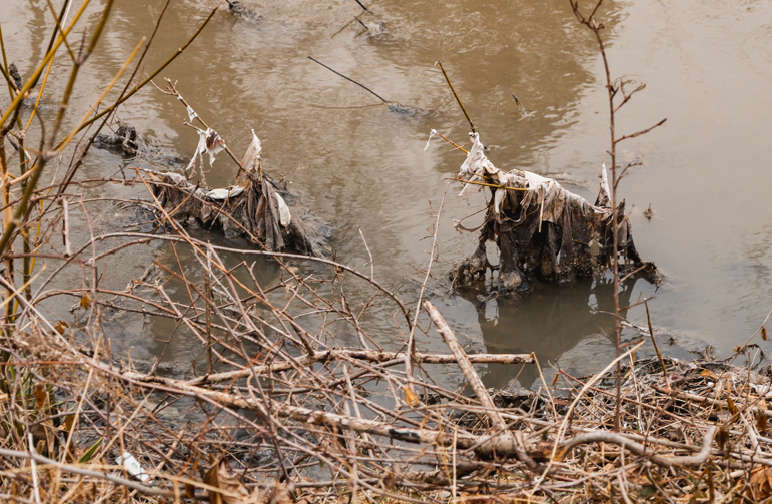
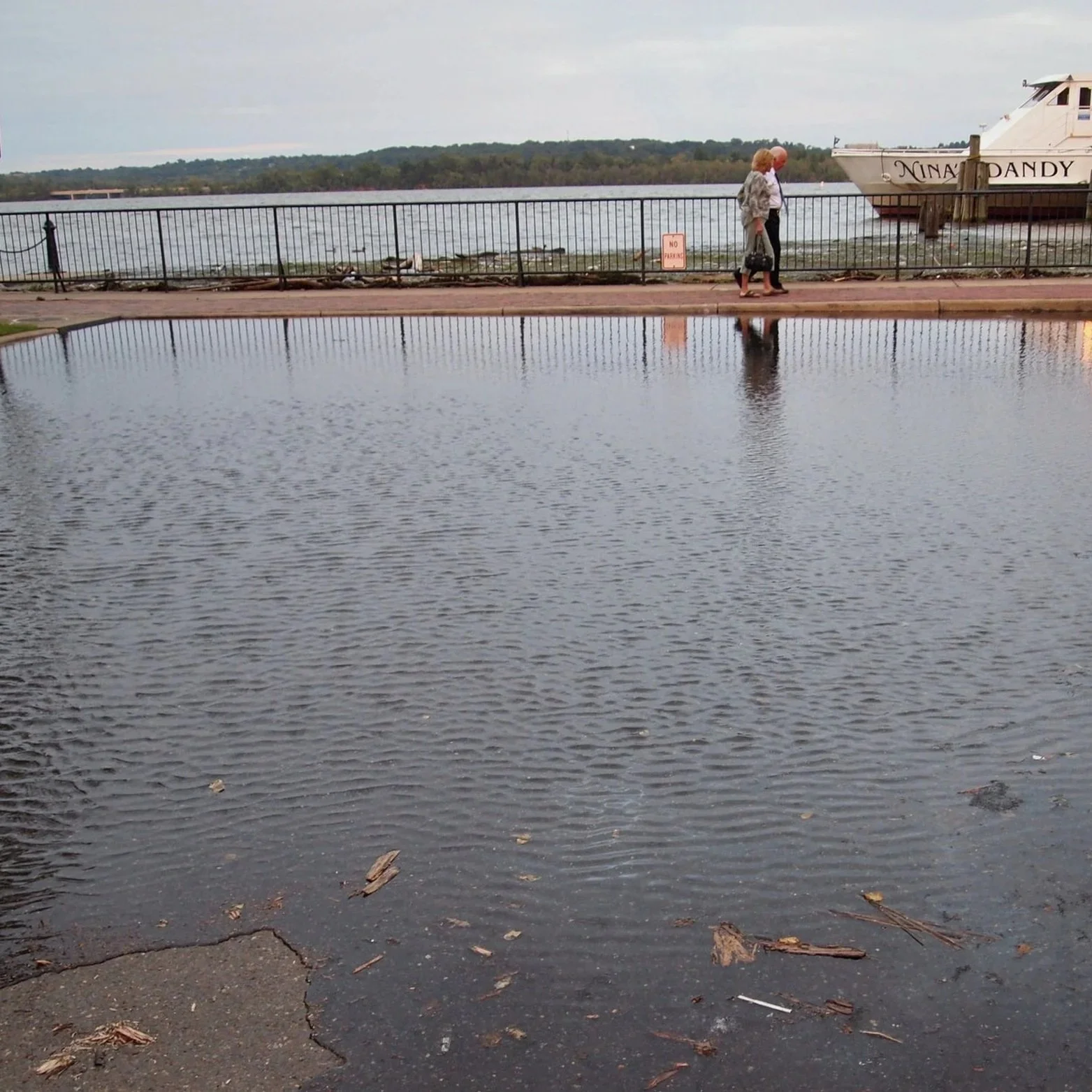
Sewage contamination in the Potomac River, winter 2026
🔵 On Jan 19, 2026, the DC Water Potomac Interceptor pipe burst near the Clara Barton Parkway and Lock 10 of the C&O Canal in MD. This pipe has been under rehabilitation work since September 2025.
🔵 An estimated 240 million gallons of raw sewage entered the Potomac River, more volume than the Tidal Basin could hold.
🔵 On January 23, DC Water began installing pumps to divert sewage around the rupture and allow crews to make repairs.
Readers are encouraged to visit DC Water’s news page for the latest information.